


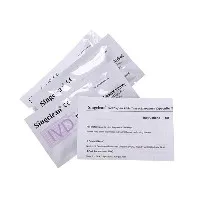


Hey there! As a supplier of FSH Menopause Tests, I often get asked a bunch of questions about how these tests work and what can affect their results. One question that pops up quite a bit is, "Can the FSH Menopause Test be affected by alcohol consumption?" Let's dig into this topic and find out.
First off, let's quickly understand what the FSH Menopause Test is all about. The Follicle Stimulating Hormone Test is a key tool in figuring out where a woman stands in her menopause journey. Follicle-stimulating hormone, or FSH for short, is produced by the pituitary gland in the brain. In women, it plays a crucial role in the menstrual cycle and the development of eggs in the ovaries. As a woman approaches menopause, her ovaries start to slow down, and the level of FSH in her body rises. That's where our test comes in handy. It can detect these elevated FSH levels, giving women an idea of whether they're in perimenopause or menopause. You can even do an At Home Hormone Test For Menopause, which is super convenient.
Now, let's talk about alcohol. Alcohol is something that many of us enjoy from time to time. Whether it's a glass of wine with dinner or a beer at a party, it's a common part of social life. But how does it interact with our bodies and potentially affect the FSH Menopause Test?
Alcohol has a complex relationship with our endocrine system, which is responsible for producing and regulating hormones. When you drink alcohol, it gets metabolized in the liver. During this process, it can have various effects on different hormones in the body. One of the ways alcohol can impact hormones is by affecting the liver's ability to break down and clear hormones from the bloodstream. For example, alcohol can interfere with the metabolism of estrogen, a hormone that is closely related to FSH.
Estrogen levels fluctuate throughout a woman's menstrual cycle and decrease as she approaches menopause. Alcohol can disrupt this natural balance. It may cause estrogen levels to be either higher or lower than normal, depending on factors like how much alcohol is consumed and how often. Since FSH and estrogen are part of a feedback loop in the body, any changes in estrogen levels can potentially influence FSH levels as well.
In some cases, heavy alcohol consumption can lead to a decrease in estrogen levels. When estrogen levels drop, the body may respond by increasing the production of FSH in an attempt to stimulate the ovaries. This could potentially lead to falsely elevated FSH levels, which might give the impression that a woman is further along in menopause than she actually is.
On the other hand, moderate alcohol consumption might not have as significant an impact. Some studies suggest that light to moderate drinking (about one drink per day) may have a more subtle effect on hormone levels. However, it's important to note that everyone's body is different, and individual responses to alcohol can vary.
Another factor to consider is that alcohol can also affect the quality of a urine sample, which is what our Fsh Urine Test uses to detect FSH levels. Alcohol can cause dehydration, which can concentrate the urine. Concentrated urine may give inaccurate results because the concentration of FSH and other substances in the urine can be affected. If the urine is too concentrated, it might seem like the FSH levels are higher than they actually are.
So, what does all this mean for women taking the FSH Menopause Test? If you're planning to take the test, it's a good idea to avoid heavy alcohol consumption in the days leading up to the test. It's hard to say exactly how long you should abstain, but as a general rule, try to avoid excessive drinking for at least 24 to 48 hours before the test. This will give your body time to clear the alcohol and return to its normal hormonal balance.
If you're a light drinker and have just one drink occasionally, it's probably not going to have a huge impact on the test results. But if you're someone who drinks regularly or in large amounts, it's definitely something to keep in mind.
It's also important to follow the instructions that come with the test carefully. Our tests are designed to be as accurate as possible, but proper sample collection and handling are crucial for getting reliable results. Make sure you collect the urine sample at the right time of day (usually first-morning urine is recommended) and store it correctly before using the test.
In conclusion, alcohol consumption can potentially affect the FSH Menopause Test. Heavy drinking can disrupt the hormonal balance in the body and lead to inaccurate results. By being aware of this and taking some simple precautions, women can ensure that they get the most accurate information from the test.
If you're interested in our FSH Menopause Tests, whether for personal use or for your business, we'd love to hear from you. Our tests are reliable, easy to use, and can provide valuable insights into a woman's hormonal health. Don't hesitate to reach out and start a conversation about purchasing our products. We're here to help you get the best solutions for your needs.


References
- Various medical research studies on the effects of alcohol on the endocrine system
- Information on the mechanism of FSH regulation in the body