


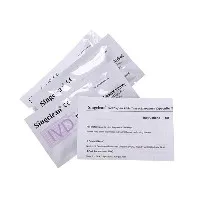


In the realm of medical diagnostics, the Rapid AFP Test Kit stands as a crucial tool for early detection and monitoring of various health conditions, particularly those associated with the Alpha-fetoprotein Tumor Marker. As a dedicated supplier of these test kits, I understand the significance of accuracy in ensuring reliable results. In this blog post, I will share some insights on how to enhance the accuracy of the Rapid AFP Test Kit, drawing on my experience in the industry and the latest scientific research.
Understanding the Rapid AFP Test Kit
Before delving into ways to improve accuracy, it's essential to have a clear understanding of what the Rapid AFP Test Kit is and how it works. The Afp Tumor Marker Test is designed to detect the presence of alpha-fetoprotein (AFP) in a patient's blood sample. AFP is a protein produced by the liver and yolk sac of a developing fetus. In adults, elevated levels of AFP can be associated with certain types of cancer, such as liver cancer and testicular cancer, as well as other medical conditions.
The Rapid AFP Test Kit uses a lateral flow immunoassay technology, which is a simple and rapid method for detecting specific analytes in a sample. The test strip contains antibodies that are specific to AFP. When a blood sample is applied to the test strip, the AFP in the sample binds to the antibodies on the strip, producing a visible signal, usually in the form of a colored line. The intensity of the line is proportional to the concentration of AFP in the sample.
Factors Affecting the Accuracy of the Rapid AFP Test Kit
Several factors can affect the accuracy of the Rapid AFP Test Kit. Understanding these factors is crucial for taking appropriate measures to improve accuracy.
Sample Collection and Handling
The quality of the blood sample collected is one of the most critical factors affecting the accuracy of the test. Improper sample collection or handling can lead to inaccurate results. For example, if the sample is contaminated with bacteria or other substances, it can interfere with the binding of AFP to the antibodies on the test strip, resulting in false-negative or false-positive results.
To ensure the quality of the sample, it's important to follow the correct sample collection procedures. This includes using a clean and sterile needle and syringe, collecting the sample in the appropriate container, and storing the sample at the correct temperature until testing. Additionally, the sample should be tested within the recommended time frame to avoid degradation of the AFP in the sample.
Test Kit Storage and Shelf Life
The storage conditions of the test kit can also affect its accuracy. The Rapid AFP Test Kit should be stored at the recommended temperature and humidity conditions to maintain its stability and performance. Exposure to extreme temperatures, moisture, or sunlight can damage the test strip and reduce its sensitivity and specificity.
It's also important to check the expiration date of the test kit before use. Using an expired test kit can lead to inaccurate results, as the antibodies on the test strip may have degraded over time.
Operator Technique
The technique used by the operator performing the test can significantly impact the accuracy of the results. Improper handling of the test strip, incorrect application of the sample, or misinterpretation of the results can all lead to errors.


To ensure accurate results, operators should be properly trained on how to perform the test. This includes following the instructions provided in the test kit manual, using the correct volume of sample, and waiting for the recommended time before reading the results. Additionally, operators should be familiar with the interpretation of the test results and be able to distinguish between true-positive and false-positive results.
Interfering Substances
Certain substances in the blood sample can interfere with the binding of AFP to the antibodies on the test strip, leading to inaccurate results. For example, high levels of bilirubin, hemoglobin, or lipids in the sample can cause false-positive or false-negative results.
To minimize the effect of interfering substances, it's important to screen the sample for these substances before testing. If necessary, additional steps can be taken to remove or reduce the concentration of these substances in the sample, such as centrifugation or dilution.
Strategies to Improve the Accuracy of the Rapid AFP Test Kit
Based on the factors discussed above, here are some strategies that can be implemented to improve the accuracy of the Rapid AFP Test Kit.
Quality Control
Implementing a comprehensive quality control program is essential for ensuring the accuracy and reliability of the test results. This includes performing regular calibration and validation of the test kits, as well as monitoring the performance of the test kits over time.
Quality control samples with known concentrations of AFP should be tested regularly to verify the accuracy and precision of the test kits. Any deviations from the expected results should be investigated and corrective actions taken.
Training and Education
Providing proper training and education to operators is crucial for ensuring accurate test results. Operators should be trained on the correct sample collection and handling procedures, as well as the proper use of the test kits. They should also be educated on the interpretation of the test results and the potential sources of error.
Regular refresher courses and updates on the latest testing techniques and guidelines can help operators stay up-to-date and improve their skills.
Use of Advanced Technologies
Advancements in technology have led to the development of more accurate and reliable Rapid AFP Test Kits. For example, some test kits now use more sensitive antibodies or advanced signal detection methods, which can improve the sensitivity and specificity of the test.
As a supplier, it's important to stay informed about the latest technological advancements in the field and offer test kits that incorporate these technologies. This can help improve the accuracy of the tests and provide better diagnostic information to healthcare providers.
Collaboration with Healthcare Providers
Collaboration with healthcare providers is essential for improving the accuracy of the Rapid AFP Test Kit. By working closely with healthcare providers, we can gain valuable feedback on the performance of the test kits in real-world settings. This feedback can be used to identify areas for improvement and develop strategies to address any issues.
Additionally, healthcare providers can provide us with information on the specific needs and requirements of their patients, which can help us tailor our products and services to better meet their needs.
Conclusion
The Rapid AFP Test Kit is a valuable tool for the early detection and monitoring of certain types of cancer and other medical conditions. However, to ensure the accuracy and reliability of the test results, it's important to take appropriate measures to address the factors that can affect the accuracy of the test.
By following the strategies outlined in this blog post, including proper sample collection and handling, test kit storage and maintenance, operator training, and collaboration with healthcare providers, we can significantly improve the accuracy of the Rapid AFP Test Kit. As a supplier of these test kits, we are committed to providing high-quality products and services that meet the needs of our customers and contribute to the improvement of healthcare outcomes.
If you are interested in learning more about our Rapid AFP Test Kit or would like to discuss potential procurement opportunities, please do not hesitate to contact us. We look forward to working with you to enhance the accuracy of AFP detection in your healthcare setting.
References
- World Health Organization. (2021). Cancer prevention and control. Retrieved from [Website URL]
- National Cancer Institute. (2021). Alpha-fetoprotein. Retrieved from [Website URL]
- Centers for Disease Control and Prevention. (2021). Laboratory testing for infectious diseases. Retrieved from [Website URL]