




Can medications affect the results of an HCG pregnancy test?
As a supplier of HCG pregnancy tests, I've encountered numerous inquiries from customers about various factors that could potentially influence the accuracy of these tests. One question that frequently arises is whether medications can affect the results of an HCG pregnancy test. In this blog post, I'll delve into this topic, exploring the scientific aspects and providing insights to help you understand this crucial issue.
Understanding HCG and Pregnancy Tests
Before we discuss the impact of medications, it's essential to understand how HCG pregnancy tests work. Human chorionic gonadotropin (HCG) is a hormone produced by the placenta shortly after a fertilized egg attaches to the uterine lining. This hormone is detectable in both urine and blood, and its presence is a reliable indicator of pregnancy.
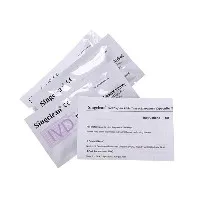
HCG pregnancy tests are designed to detect the presence of HCG in a woman's urine. Most over - the - counter pregnancy tests, such as the Singclean Pregnancy Test Sticks, HCG Pregnancy Strip Test, and Singclean Home HCG Pregnancy Test, are highly sensitive and can detect HCG levels as low as 20 - 25 mIU/mL. When a woman takes a pregnancy test, she simply collects a urine sample and places the test strip in the urine. If HCG is present in the urine, it will bind to specific antibodies on the test strip, causing a visible line to appear, indicating a positive result.
Medications That Can Cause False - Positive Results
There are several medications that can potentially cause false - positive results on an HCG pregnancy test.
Fertility Medications
Fertility drugs that contain HCG, such as Pregnyl and Novarel, are commonly used to stimulate ovulation. These medications can artificially increase the HCG levels in a woman's body. If a woman takes a pregnancy test too soon after using these fertility drugs, the test may detect the HCG from the medication rather than from a pregnancy, resulting in a false - positive result. It's recommended that women wait at least 10 days after the last injection of HCG - containing fertility drugs before taking a pregnancy test to avoid this issue.


Antipsychotic Medications
Some antipsychotic medications, such as chlorpromazine and haloperidol, have been reported to cause false - positive HCG test results. Although the exact mechanism is not fully understood, it's believed that these medications may interfere with the test's ability to accurately detect HCG. If a woman is taking antipsychotic medications and gets a positive pregnancy test result, it's important to confirm the result with a blood test at a medical facility.
Hormonal Medications
Certain hormonal medications, such as those used in hormone replacement therapy (HRT), may also affect HCG test results. Estrogen and progesterone, which are commonly used in HRT, can potentially interfere with the test's accuracy. However, the likelihood of a false - positive result due to these medications is relatively low.
Medications That Can Cause False - Negative Results
On the other hand, some medications can cause false - negative results on an HCG pregnancy test.
Diuretics
Diuretics, also known as water pills, are medications that increase urine production. If a woman takes a diuretic before taking a pregnancy test, it can dilute the urine, reducing the concentration of HCG. As a result, the test may not be able to detect the HCG, leading to a false - negative result. It's advisable to avoid taking diuretics for at least 4 - 6 hours before taking a pregnancy test.
Anticonvulsant Medications
Some anticonvulsant medications, such as phenytoin and carbamazepine, have been associated with false - negative HCG test results. These medications may interfere with the production or detection of HCG. Women taking anticonvulsant medications should consult their healthcare provider if they suspect they are pregnant and get a negative test result.
Other Factors to Consider
It's important to note that medications are not the only factors that can affect the results of an HCG pregnancy test. Other factors include:
Timing of the Test
Taking a pregnancy test too early can result in a false - negative result. HCG levels increase rapidly in the early stages of pregnancy, but they may not be high enough to be detected by a home pregnancy test in the first few days after a missed period. It's recommended to wait at least one week after a missed period to take a pregnancy test for more accurate results.
Improper Test Usage
Using a pregnancy test incorrectly can also lead to inaccurate results. For example, not following the instructions on the test kit, such as not leaving the test strip in the urine for the recommended amount of time, can affect the test's accuracy. It's crucial to carefully read and follow the instructions provided with the test.
Ensuring Accurate Results
As a supplier of high - quality HCG pregnancy tests, we are committed to providing products that offer reliable results. However, to ensure the most accurate results, it's important for women to be aware of the potential impact of medications and other factors on the test.
If a woman suspects that a medication she is taking may affect the test result, she should consult her healthcare provider. A healthcare provider can recommend the best time to take a pregnancy test and may also suggest a blood test, which is more sensitive and can detect lower levels of HCG.
In conclusion, while medications can potentially affect the results of an HCG pregnancy test, being informed and taking the necessary precautions can help minimize the risk of inaccurate results. Our Singclean Pregnancy Test Sticks, HCG Pregnancy Strip Test, and Singclean Home HCG Pregnancy Test are designed to provide accurate and reliable results when used correctly.
If you are interested in purchasing our high - quality HCG pregnancy tests for your pharmacy, clinic, or other business needs, we invite you to contact us for more information and to discuss potential procurement opportunities. We are dedicated to providing excellent products and services to meet your requirements.
References
- American College of Obstetricians and Gynecologists. (2020). Pregnancy Testing. ACOG Practice Bulletin No. 225. Obstetrics & Gynecology, 136(3), e102 - e113.
- Grossman, D., & Diaz, T. (2018). Urine and serum pregnancy tests: An update. American Family Physician, 97(11), 737 - 744.
- Lathi, R. B., & Milki, A. A. (2019). Infertility. New England Journal of Medicine, 380(15), 1448 - 1458.